Monday Dispatch

Week 4 — 2026-06-29

Five critical developments in international relations this week.

1

A trilateral framework cracks open the Israel Lebanon front

On 26 June, Israel, Lebanon and the United States signed a trilateral framework in Washington, the product of five rounds of talks. Israel agreed to pull back from two small pilot zones around the Litani River, which the Lebanese Armed Forces will take over, while keeping its core buffer zone and full operational freedom until Hezbollah is disarmed. Rubio called it only a first step, and Washington pledged 100 million dollars in humanitarian aid through a new trilateral Military Coordination Group. The next day Hezbollah's Naim Qassem rejected the deal as "null and void" and a surrender of sovereignty, while parliament speaker Nabih Berri warned it amounted to incitement to civil war.

Read more at CNN
A trilateral framework cracks open the Israel Lebanon front
2

Ukraine takes the war to Russia's logistics and Crimea

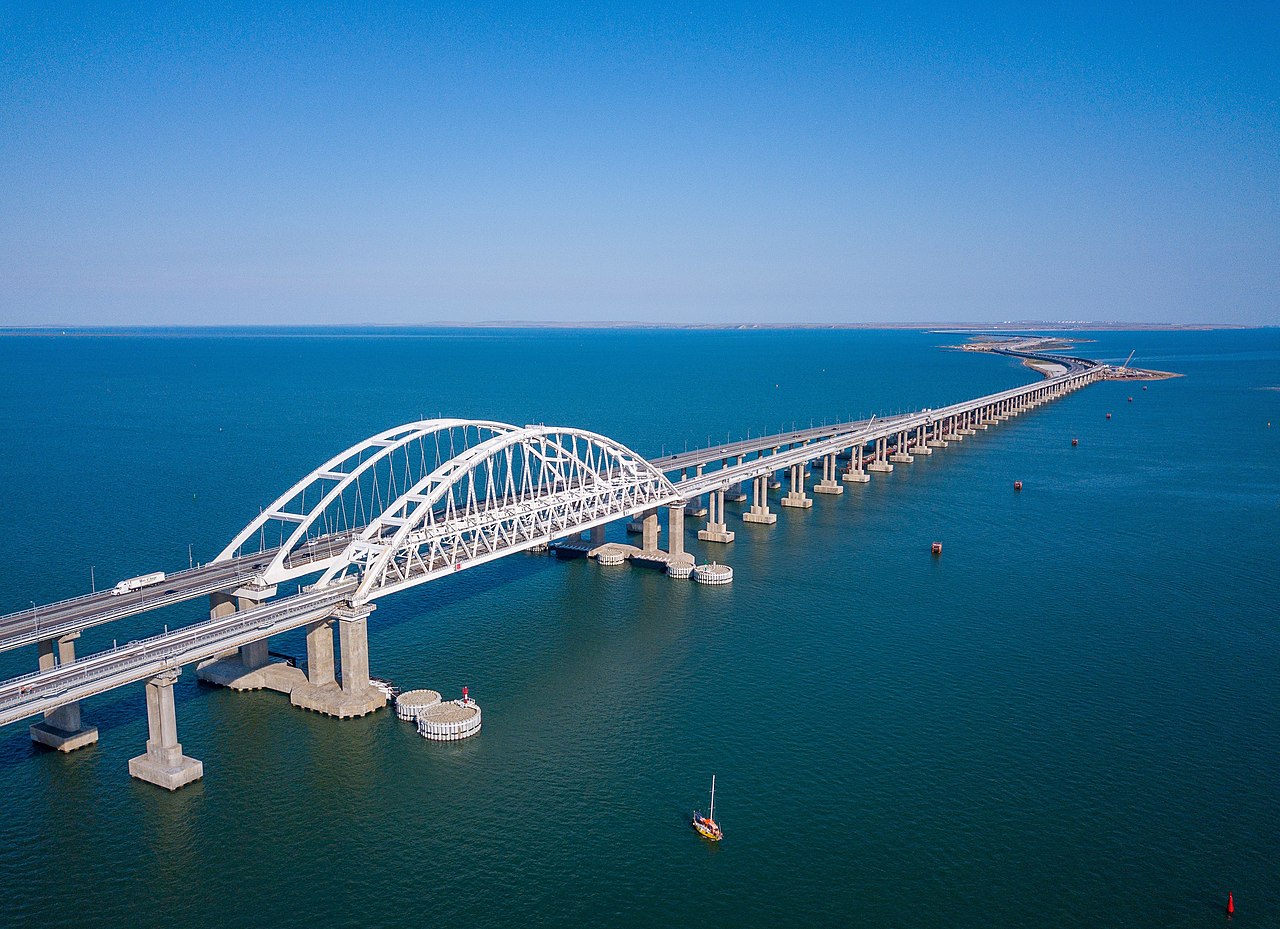
Over the past week Ukraine shifted from headline drone strikes to a systematic campaign against Russian logistics. On 22 June it struck two military satellite communication centres near Moscow, at Vladimir and Dubna, damaging the large antennas Russia uses to track Ukrainian movements, and hit plants in Voronezh and Orenburg tied to cruise missiles and to roughly 60 percent of Gazprom's processed gas. In Crimea it cut fuel, power and transport across the Kerch Strait, while Belarus quietly deactivated transponders used to steer Russian drones. The escalation, which Zelensky framed as a 40 day campaign to force Moscow to the table, has deepened a Russian fuel crisis and revived the sense that Kyiv has its first real opening in the war.

Read more at Al Jazeera
Ukraine takes the war to Russia's logistics and Crimea
3

Kinshasa takes Kigali to the ICJ

On 26 June the Democratic Republic of the Congo filed an application at the International Court of Justice accusing Rwanda of responsibility for three decades of massacres, sexual violence, torture and forced displacement in its east, dating from 1996. The filing invokes the Genocide, Racial Discrimination and Torture conventions and asks the Court to order Rwanda to halt the alleged violations and pay reparations. It is the DRC's third attempt against Rwanda at the Court, after a 2001 withdrawal and a 2006 dismissal on jurisdiction, and follows the failure of a US brokered deal and a Qatari ceasefire after M23 seized Goma and Bukavu in early 2025. Rwanda, which denies backing M23 despite UN findings, had not responded at the time of filing.

Read more at Al Jazeera
Kinshasa takes Kigali to the ICJ
4

The Hormuz ceasefire faces its first real test

On 25 June an Iranian one way attack drone struck the Singapore flagged cargo ship Ever Lovely in the Strait of Hormuz, one of four drones Tehran fired at passing vessels. The next day US Central Command hit Iranian missile and drone storage sites and coastal radar, calling it a clear ceasefire violation, and Vice President Vance warned that violence would be met with violence. Trump branded the ship attack a foolish violation and threatened to militarily complete the job, saying the Islamic Republic could cease to exist, while the IRGC said it struck US positions in reply. It was the first major test of the 60 day memorandum signed on 17 June, and the UN maritime agency paused its evacuation of roughly 500 ships still stranded in the strait.

Read more at CNN
The Hormuz ceasefire faces its first real test
5

Washington runs relief in the Venezuela it toppled

Twin earthquakes of magnitude 7.2 and 7.5 struck northern Venezuela on 24 June, killing more than 1,450 people, injuring over 3,000 and damaging an estimated 60,000 buildings, with tens of thousands still unaccounted for. US Southern Command surged forces into the relief effort, including the USS Fort Lauderdale and transport aircraft, and a US general met acting president Delcy Rodriguez, a striking reversal months after Washington's January raid removed Nicolas Maduro. Some two dozen countries sent aid as the UN pressed Caracas to lift restrictions on media and information. The disaster struck a state already politically and economically fragile well before the ground moved.

Read more at ABC News
Washington runs relief in the Venezuela it toppled